

Why people decide whether your IT transformation succeeds
This episode was recorded in German.
Tech adoption instead of blind faith in technology: why digital transformations so often fail
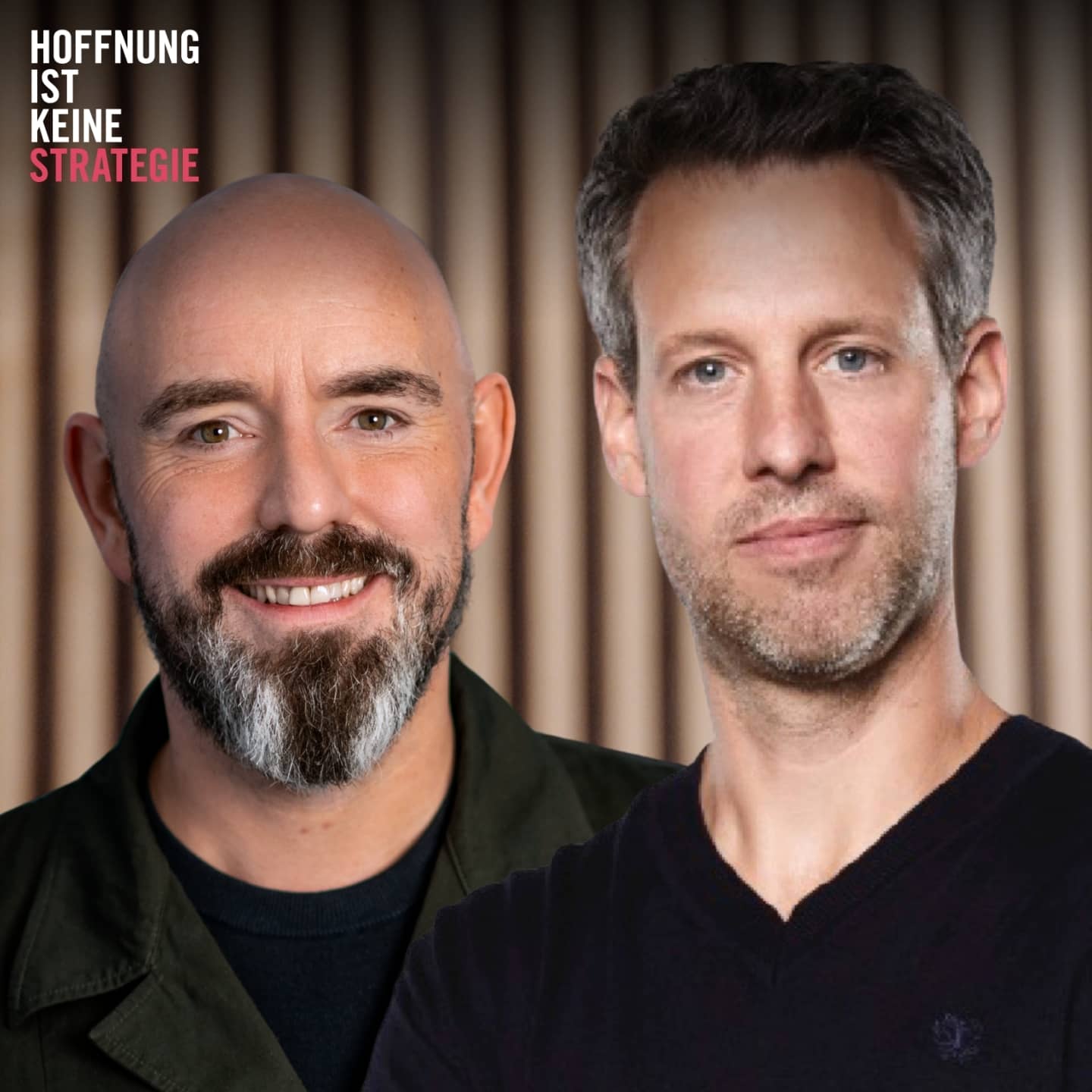
Digital transformation sits at the top of almost every company's agenda. Whether it's S/4HANA, Salesforce, cyber security or AI initiatives, companies invest enormous sums in new technologies, processes and systems. And yet the success rate remains sobering: only a fraction of these projects actually deliver the intended business case. Why? Because digital transformation is usually thought through in purely technical terms. That's exactly what Christian Underwood discusses in the latest episode of "Hope Is Not a Strategy" with Arne Kötting, co-founder and CEO of COSYN. His core argument: the decisive success factor isn't the technology itself, but whether the organization accepts it.
Tech adoption is the KPI that counts
Many companies measure the success of a transformation by whether a system goes live technically. That alone isn't enough. What matters is whether the people in the company actually understand, accept and keep using the new tool. Arne Kötting has a term for it: tech adoption. This is where the biggest problems start. Employees work around new systems with Excel lists, emails or shadow processes. The result: productivity drops, support costs rise, and the actual benefit of the transformation never materializes. This gets especially critical in large international rollouts. What was cleanly planned at headquarters often fails because local teams don't buy in. And that's exactly where the risks emerge that later escalate all the way to the board.
Why classic change projects often have no effect
Arne Kötting sees a major problem in the fact that change management in many companies still works on the "fireworks of initiatives" principle. A workshop here. A newsletter there. Then another town hall meeting. Plenty of activity, but little strategic steering. Above all, one thing is usually missing: measurability. How high is acceptance really? Where is resistance building? Which stakeholders are at risk of being lost? Instead of working with data, many companies rely on gut feeling. For projects with investments in the millions, that's an enormous risk.
From consulting model to digital product
The conversation isn't only about digital transformations at client companies, but also about COSYN's own transformation. Arne Kötting explains why the classic consulting model is steadily changing. Today, companies want less permanent external dependency and more capability in their own teams. That's how COSYN's "Change Playbook" came about: a modular approach that helps companies build and run stakeholder engagement and change processes on their own, step by step. The crucial difference: the knowledge shouldn't sit permanently with external consultants, but with the organization itself. This isn't about replacing consulting entirely. Instead, COSYN combines frameworks, templates, processes and technology with targeted support exactly where it's really needed.
Focus beats generalism
Another compelling part of the episode: the entrepreneurial journey toward greater specialization. Arne describes openly how hard it was to deliberately focus on one niche, namely tech transformations and stakeholder engagement. But that focus became the decisive lever. Real expertise doesn't come from being able to do a bit of everything, but from solving the same problem again and again. That changes not only your market positioning, but also the quality of your own solutions. Processes get clearer, products more precise, and client conversations more relevant.
Transformation starts long before go-live
The most important insight of the episode: successful digital transformation doesn't start with the technical rollout, but much earlier. If you only think about acceptance, communication and stakeholder management shortly before go-live, you'll be fighting resistance for good. Successful transformation means consistently thinking about technology and human change together. Because in the end, it isn't the system that determines success. It's the people who work with it.
🎧 Listen now and find out why hope is not a strategy, and why tech adoption is becoming the decisive KPI of modern transformation.
SHOW NOTES
Arne Kötting https://www.linkedin.com/in/arnekoetting/
Podcast "A Change in Conversation" https://podcasts.apple.com/de/podcast/a-change-in-conversation/id1871221355
Christian Underwood https://www.linkedin.com/in/christianunderwood/
Strategic Decision Intelligence: https://strategicdecisionintelligence.ai
Magazine "Hope Is Not a Strategy" https://shop.strategyframe.ai/products/hoffnung-ist-keine-strategie-ii-1-strategic-decision-intelligence
All links https://linktr.ee/strategyframe