

Securing the future with ecosystems: UnternehmerTUM's approach to success
This episode was recorded in German.
A case for more courage about the future in mid-sized companies
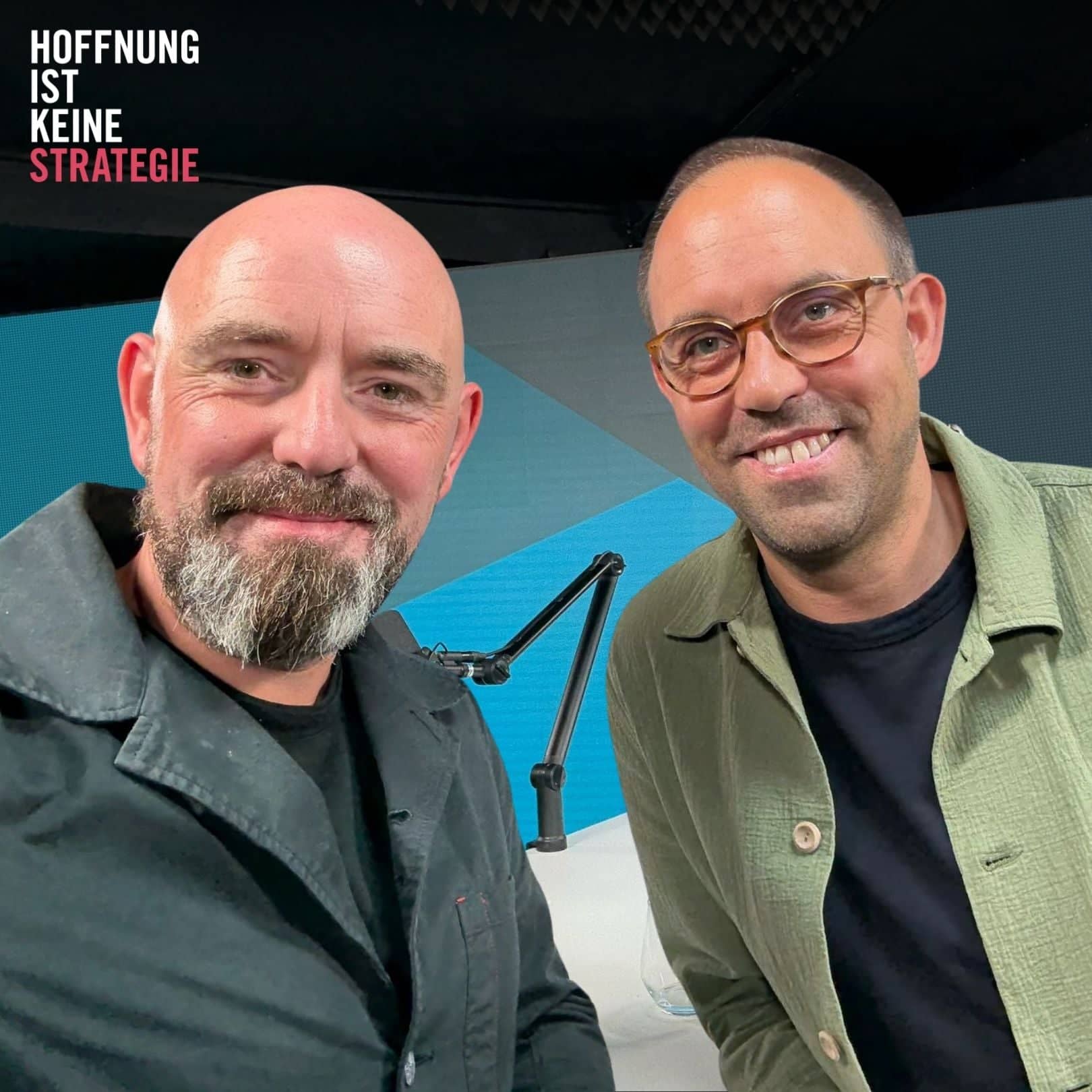
German mid-sized companies are under pressure: innovation, digitalization, succession and artificial intelligence are raising fundamental questions for many of them. In this episode of “Hope Is Not a Strategy,” host Christian Underwood talks with Christian Mohr, Managing Director and CCO of UnternehmerTUM, about the role of ecosystems, the shift in mindset that's needed and what it really takes for family-run companies to stay fit for the future.
Innovation starts in your head, not in your budget
Christian Mohr knows both worlds: the classic world of mid-sized companies and the startup logic of innovation. For him, one thing is clear: “It's not about putting millions into new technologies. It's about getting started in the first place.” Many companies simply fail to use the potential that is already available today. Innovation doesn't begin with tools, it begins with an entrepreneurial mindset.
Ecosystems as a bridge between tradition and technology
Mid-sized companies don't have to do everything themselves, quite the opposite. Mohr makes the case for connecting more closely with startups, universities and innovation platforms. UnternehmerTUM in Munich shows how it's done: with more than 1,000 startup projects supported every year, it is one of the central players in the German innovation ecosystem. Ecosystems not only open up access to know-how, they also help translate ideas into concrete business models, a decisive step toward lasting transformation.
AI and digitalization: from a source of fear to real application
Artificial intelligence is often seen as a threat, especially among mid-sized companies. Mohr sees it differently. He gives vivid examples of how low-barrier use cases can already automate processes today and cushion the shortage of skilled workers. This isn't about complicated pilot projects, it's about pragmatic solutions: “A simple use case can be the entry point into a new way of working.”
Rethinking succession: securing the future instead of administering it
Succession remains a central issue for many family businesses. But instead of a simple handover, Mohr argues for actively shaping the future: younger generations shouldn't just take over, they should be allowed to set a new direction, with the right framework, the right network and strategic support. Programs like “NextGen4Bavaria” at UnternehmerTUM show how succession can become an opportunity rather than a weak spot.
Value creation requires collaboration
The podcast makes one thing clear: German mid-sized companies have enormous potential, if they open up. Openness to cooperation, a willingness to learn and the will to execute are the decisive factors. Christian Mohr puts it plainly: “Innovation isn't the opposite of tradition. It's tradition continued under new conditions.”
An invitation to act
For entrepreneurs who want to develop their company strategically, enable real innovation or simply take the next step, this episode is a must. Christian Mohr offers clear impulses on how uncertainty turns into action, and why it pays off to actively shape change.
🎧 Listen to the episode now and find out what it really takes for mid-sized companies to build their future!
SHOW NOTES
WEF study “Future Readiness of SMEs and Mid-Sized Companies”