

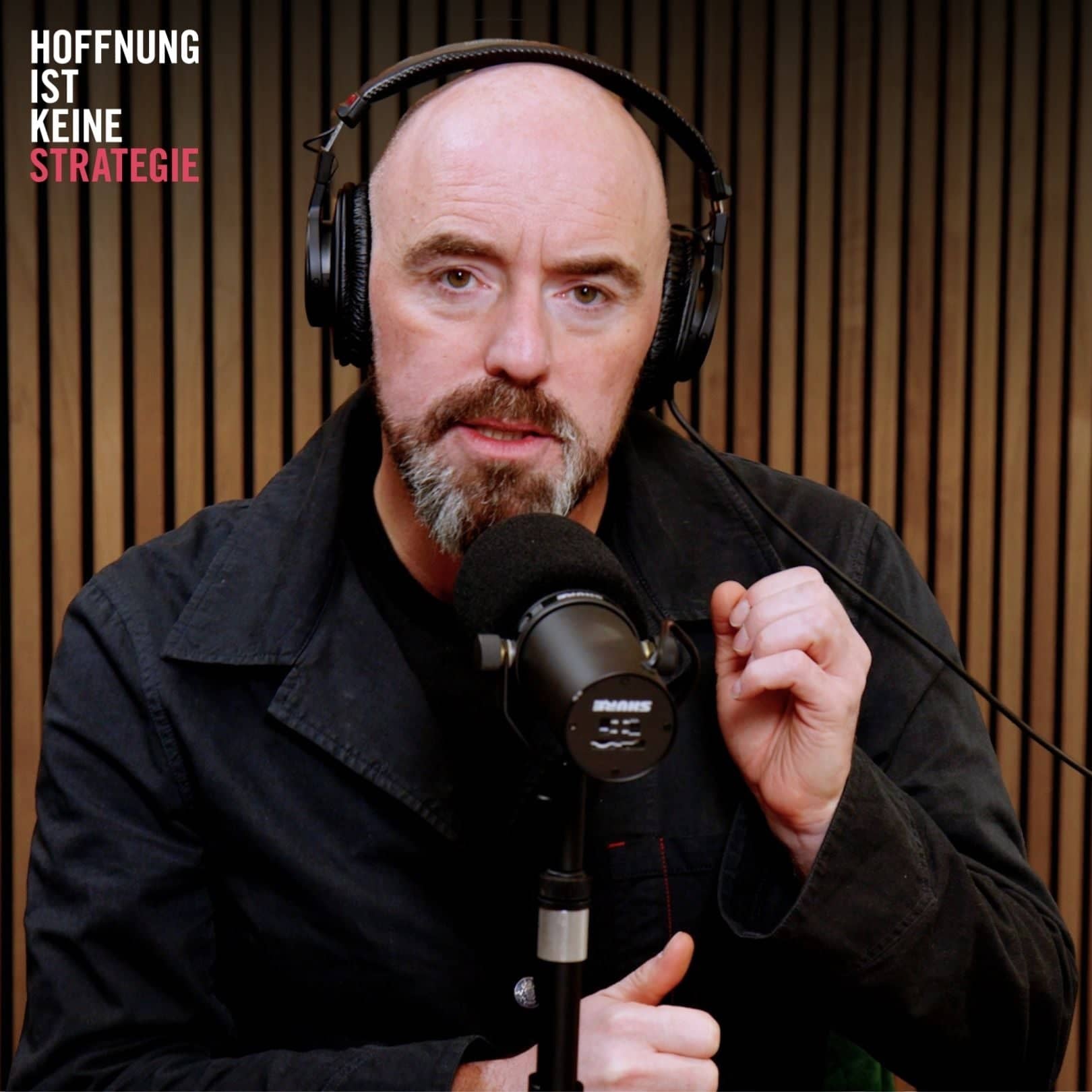
#93 Target Operating Model: The key to successful transformation
This episode was recorded in German.
Target Operating Model: The key to lasting business success
In uncertain times, tweaking a few dials isn't enough. Companies that want to succeed over the long term need a clear strategic direction and an organization built to support it. And this is exactly where many of them fail: instead of taking a systematic approach, they reorganize without a plan. In the latest episode of "Hope Is Not a Strategy," we talk about why the Target Operating Model (TOM) is the decisive factor in building an organization that's fit for the future.
Structure follows strategy, not the other way around
Many companies respond to economic pressure with quick fixes. Costs get cut, departments get restructured, employees get let go. But when these changes happen without a strategic foundation, they do more harm than good. Without a clear target picture, every reorganization stays reactive, and the same problems tend to resurface soon after. The Target Operating Model provides a solid foundation. It defines how an organization needs to be set up to execute its strategy effectively. This isn't just about processes or hierarchies, it's about how a company works as a whole. Get this step right and you avoid busywork for its own sake, and you build an organization that operates efficiently over the long haul.
Change requires clarity
A company without a target picture is like a ship without navigation. If it isn't clear which markets, customers and business models are in focus, internal structures are hard to define as well. A Target Operating Model creates that clarity. It helps you set priorities, deploy resources where they matter and reduce complexity. Many companies don't have a problem with optimizing too little, they optimize in the wrong places. Processes get reworked without anyone questioning the overarching strategy. The result is untapped potential and inefficient workflows. A structured approach lets you steer transformation deliberately instead of getting lost in short-term measures.
Leadership determines success
A Target Operating Model has to be executed consistently. That's where leaders come in. They not only have to make decisions, they have to guide the organization through the change. That means communicating a clear vision, asking the right questions and bringing employees into the process. Without strategic leadership, even the best model has no impact. Change only works when people understand it and get behind it. Companies that manage to develop a clear Target Operating Model and actively implement it aren't just more resilient, they secure a decisive competitive advantage for the long term.
Transformation with a plan, not busywork
If you really want to make your company fit for the future, short-term adjustments won't get you there. A well-designed Target Operating Model creates the basis for lasting success. In this podcast episode, we talk about why this strategic approach matters so much, and how you can put it to work in your own company.
🚀 Listen to the episode now and transform your company with purpose!
SHOW NOTES