

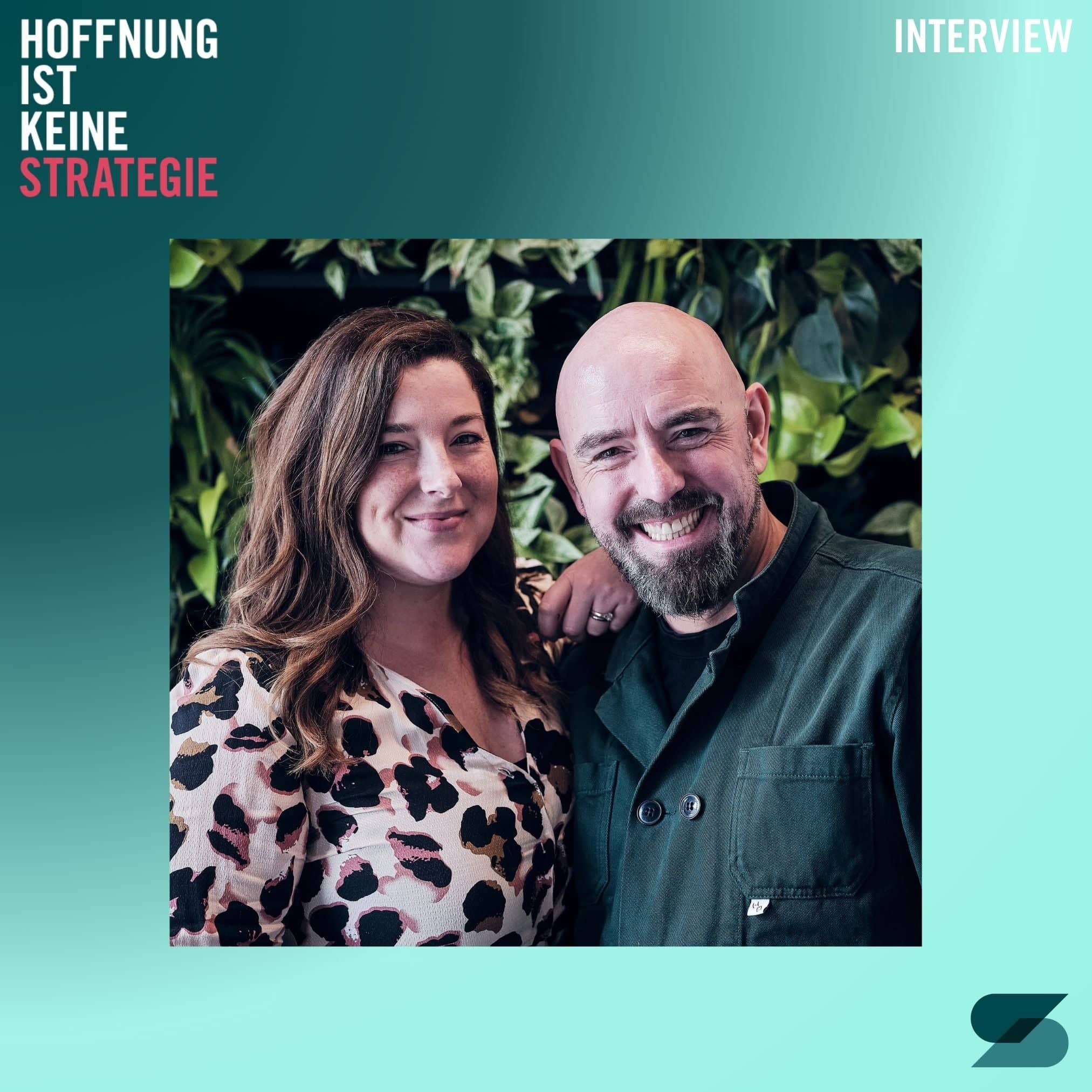
#76 Successful innovation management in retail with Sophie Frères
This episode was recorded in German.
A conversation with Sophie Frères of LiSA about innovative approaches to community centricity and social commerce in retail
In a world of constant change, companies face the challenge of staying innovative and adapting to new trends. Listen to the latest episode of "Hope Is Not a Strategy," in which Christian Underwood and Sophie Frères, CEO of LiSA, discuss key strategies and business innovation approaches using social commerce in retail as an example. In retail especially, the ability to respond to new technologies and consumer behavior is critical to success. This episode explores the transformative power of social commerce and how companies can use authentic, innovative approaches in retail to build a strong community around their products and significantly strengthen their market position.
What is social commerce?
Social commerce goes beyond simply selling on social media. It is an integrated approach that combines content creation, interactivity and direct purchasing options. Platforms like TikTok and Instagram lead the way here, but classic retail brands such as Marks & Spencer also use social video content formats on their websites to give customers an interactive shopping experience in real time. Sophie Frères, CEO of LiSA, explains that the key to making this innovative approach work is building a community that not only buys products but also takes an active part in the brand experience.
LiSA and its role in social commerce
LiSA takes an innovative approach by making digital retail future-proof through community centricity. That means LiSA's social commerce platform doesn't focus on sales alone, but on creating deep, community-based interactions that build long-term customer loyalty.
Originally launched as the project name for an online shop for children's fashion, LiSA has grown into a leading player in social commerce. The company offers solutions that let brands present their products seamlessly across different platforms and make them shoppable, while building a community of their own at the same time.
Strategic innovation management in focus
The conversation with Sophie makes it clear that strategic innovation management is critical to success in the digital age. It's not just about integrating new technologies, but about developing new business models aimed at building and nurturing a community. That can happen through user generated content (UGC), interactive shopping experiences or personalized offers.
One example of social commerce done well is LiSA's work with the jewelry brand Friday Atelier. By implementing a simple shop-with-stories solution that integrates Instagram Stories into the online shop, the company increased the average cart value by 30% and doubled the time spent on the website.
Challenges and opportunities in business innovation
Sophie and Christian discuss the challenges companies face when implementing strategies like these. In the German market in particular, fear of mistakes and hesitation toward new technologies such as live shopping are widespread. Traditional management structures and concerns about brand reputation can slow the rollout of such innovations.
The answer is to tackle these challenges in small, low-risk steps. By using existing resources and simple, low-cost solutions, companies can achieve early wins and build confidence in new technologies. The focus should be long term: track trends continuously and adjust your innovation strategy accordingly.
Sophie and Christian emphasize that innovation today is seen less as revolutionary and more as a continuous process of adapting to constantly changing market conditions. Companies are encouraged to question existing structures and foster a willingness to learn and experiment continuously in order to stay competitive over the long run.
Conclusion
Strategic management plays a decisive role in a company's lasting success, especially in times of rapid change and advancing digitalization. Companies that execute strategic innovation effectively can strengthen their market position and open up new, profitable business areas. The LiSA example shows how a focused strategy can not only increase revenue but also build strong brand loyalty through community building. With strategic innovation management, companies can respond to market shifts early, take advantage of technology trends and connect with their customers on a deeper, more personal level. In an increasingly digital world, it is essential to make strategic decisions that support both short- and long-term business goals and secure competitiveness.
SHOW NOTESStrategyFrame® ACADEMYSophie FrèresLiSAChristian UnderwoodStrategyFramePodcast"Hope Is Not a Strategy"Book"Hope Is Not a Strategy"