

#69 "Schleichender Blackout: Wie wir das digitale Desaster verhindern"
This episode was recorded in German.
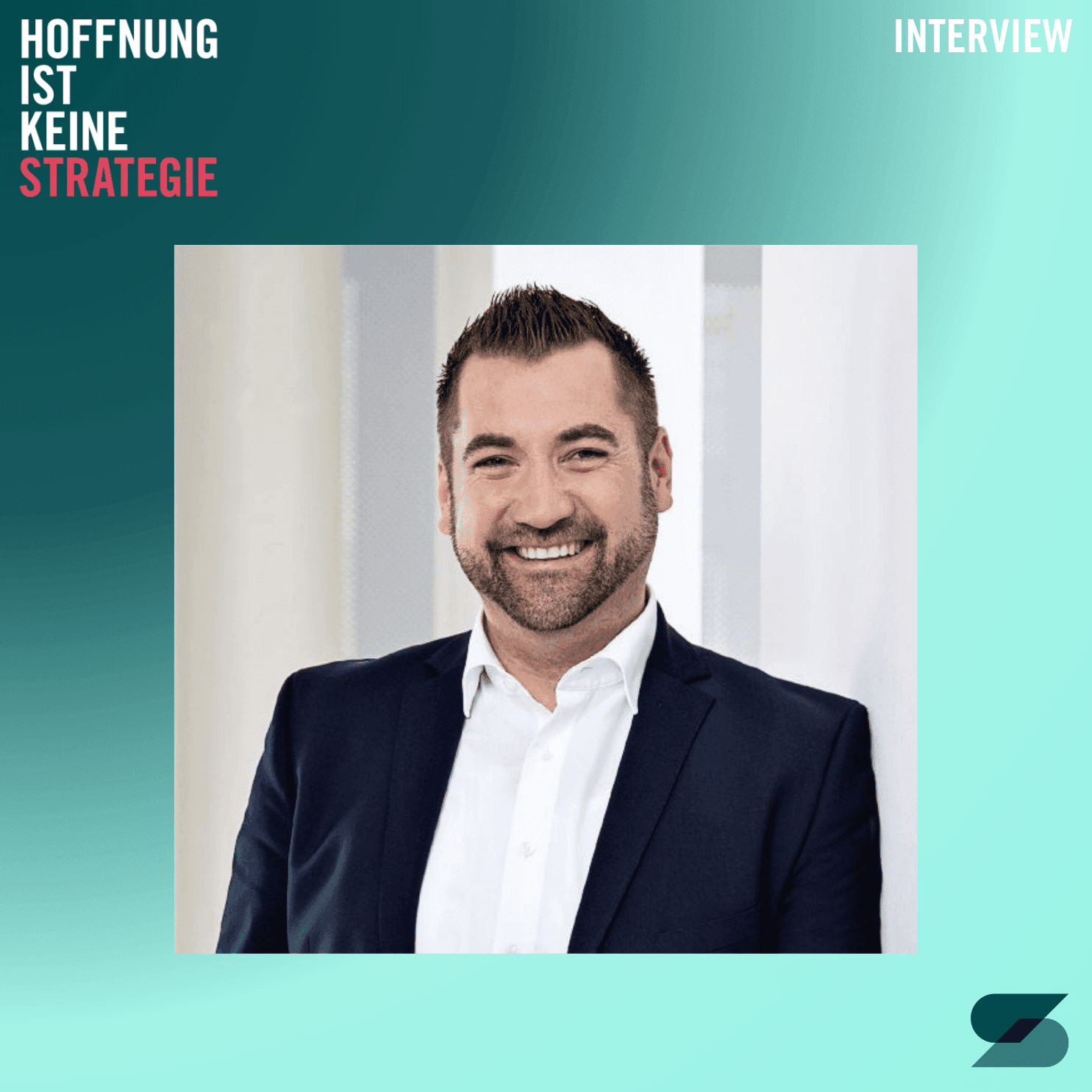
A conversation with Dr. Fedor Ruhose, State Secretary and CIO/CDO of Rhineland-Palatinate
The latest episode of "Hope Is Not a Strategy" widens the lens, because this time it gets political. We dive into digitalization in public administration and welcome a special guest: Dr. Fedor Ruhose, State Secretary and CIO/CDO of Rhineland-Palatinate.
The challenges of digital transformation
Dr. Ruhose points out that efforts so far have focused more on digitalization than on transformation. A fundamental shift in thinking is needed to make real change happen. He stresses in particular the need for a clear digitalization strategy for public administration, one that fits seamlessly into an overarching strategic framework for the entire state.
Strategy at the local level, rethought and rebuilt
Dr. Ruhose shares fascinating insights into the strategy process in Rhineland-Palatinate, which is built on broad involvement of stakeholders and subject-matter experts who work together to develop and execute goals. He explains why strategy development worked here and proudly walks through the transparent execution process.
Electrifying the administrative model
He also presents several successful digitalization projects, including tools for flood forecasting and support for agriculture. The conversation turns to the importance of cybersecurity and how Germany can position itself in this field to make digital administration more resilient against attacks.
A look at other countries: successes and lessons
Dr. Ruhose, co-author of the book "Schleichender Blackout: Wie wir das digitale Desaster verhindern," brings his expertise to the table and sheds light on the challenges Germany faces with its digital infrastructure. He explains why it works in other countries and what we can learn from them.
"Schleichender Blackout" and where to act
His hopes for the future range from better communication between public agencies to simpler application processes for citizens and businesses. Companies are encouraged not just to make demands but to actively contribute to digitalization by offering reliable advice and support. What's also needed: clear target pictures, which the book outlines.
Outlook and conclusions
The overall message: digitalizing public administration takes more than technological change. It also requires a cultural transformation and close collaboration between public and private players.
Listen in to hear the full conversation between Christian Underwood and Dr. Fedor Ruhose.
SHOW NOTES
Dr. Fedor Ruhose
Christian Underwood
Prof. Jürgen Weigand
StrategyFrame
Podcast "Hope Is Not a Strategy"
Book "Hope Is Not a Strategy"