

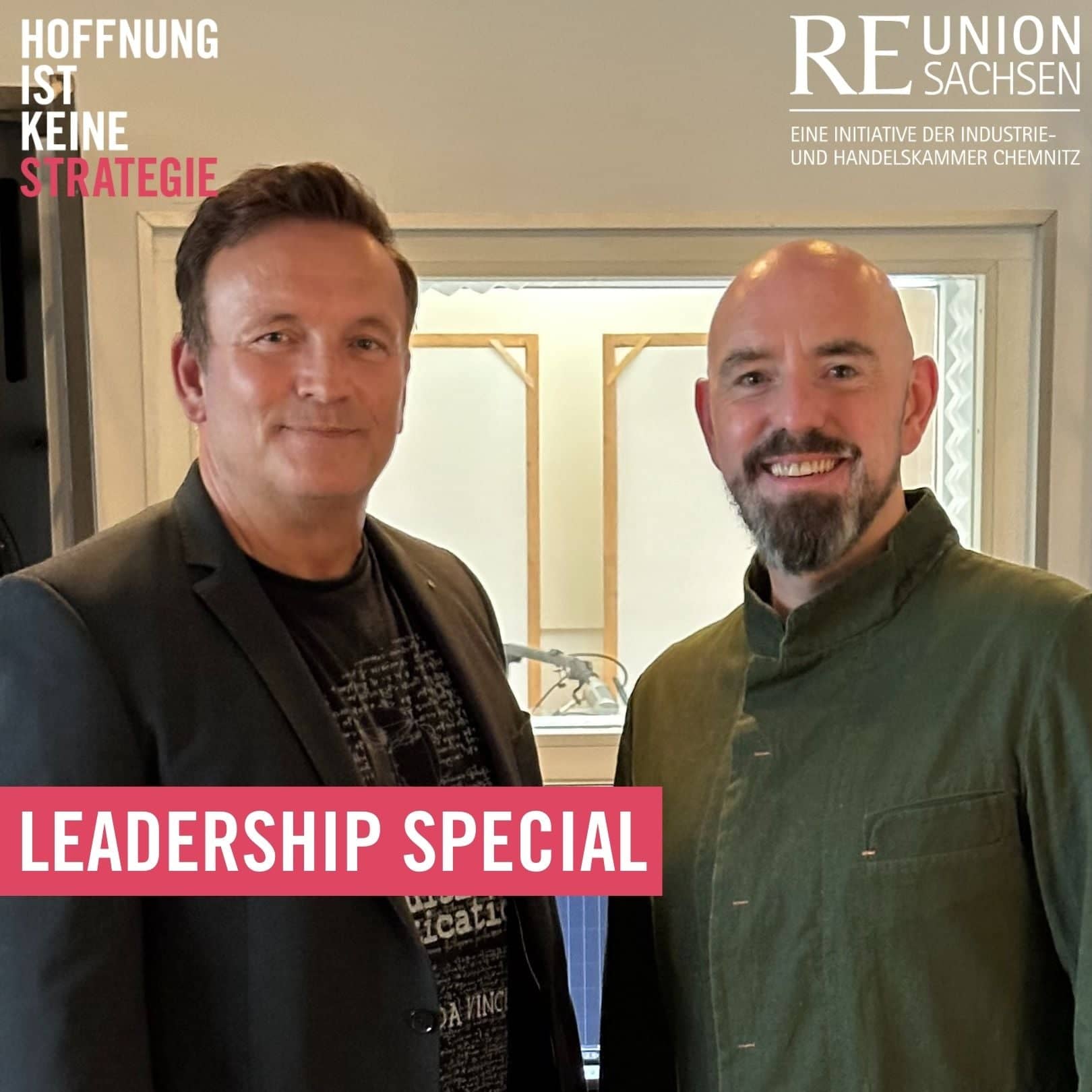
#06 Risk management with the ROMI method: Stopping threats before they emerge
This episode was recorded in German.
In the latest episode of "Hope Is Not a Strategy," Christian Underwood talks with Maximilian Mitera, a chief police inspector, futurist, and creator of the ROMI method. The episode tackles an essential question: how can companies stay flexible and resilient in uncertain times? At the center is the ROMI method, an innovative instrument for analyzing and handling crisis situations.
The ROMI method: an overview
Maximilian Mitera developed the ROMI method to help organizations make proactive decisions instead of merely reacting to problems. The method rests on the systematic analysis of key factors that matter in a crisis: the sender (who acts), the receiver (who is affected), and the place and time of the action. By mapping these factors onto a timeline, companies gain a better understanding of how events unfold and which measures to take.
A central element of the ROMI method is identifying and avoiding confirmation bias. Leaders often tend to ignore information that contradicts their existing assumptions and to consider only the data that confirms their view. This can lead to dangerous decision patterns, especially in crises, where fast, well-grounded decisions are critical. The ROMI method encourages a comprehensive look at all relevant data so you make the best decisions and minimize the risk of misjudgment.
Flexibility as the key to success
A central theme of the episode is the need for flexibility in corporate leadership. Maximilian Mitera stresses that the conditions companies operate under are constantly changing. That is especially true in crises like the COVID-19 pandemic, which confronted many companies with unforeseeable challenges. Companies that can adapt quickly to new circumstances are far better equipped to succeed.
The ROMI method helps companies build a flexible leadership culture, one that does not rely solely on the traditional experience of the past but also accounts for current and future challenges. That means leaders can respond quickly and take the right measures when circumstances shift.
Emotional intelligence in leadership
Another important aspect Maximilian Mitera raises is the role of emotions in leadership. Emotions are often an overlooked but decisive element in leadership teams. The episode explains that many blockages in change processes stem from unconscious fears and uncertainties. The ROMI method helps bring these emotions to the surface and turn them into constructive solutions.
Mitera explains that understanding your own emotional reactions, and those of your team members, is a basic prerequisite for effective communication and collaboration. Companies that build emotional intelligence into their leadership strategy can create an open, trusting work environment where creative solutions emerge.
Putting the ROMI method into practice
Applying the method requires a certain amount of self-reflection from leaders. Maximilian Mitera recommends setting aside time regularly to question your own decision-making and examine the assumptions behind it. Targeted questions help: "Which data am I ignoring?", "Which feedback have I not taken seriously so far?" or "How do my emotions influence my decisions?"
Another important point is training employees and raising their awareness of the value of data analysis and emotional intelligence. Workshops and training sessions can sharpen awareness of unconscious patterns and improve team dynamics.
Conclusion: mastering future challenges
The episode makes a compelling case for acting proactively and flexibly in today's dynamic business world. The ROMI method is a valuable instrument for preparing companies for future challenges. By combining data-based management, emotional intelligence, and a flexible leadership culture, organizations can not only weather crises but come out of them stronger.
In short, leaders who are willing to rethink their approach and apply innovative methods like ROMI improve their own capabilities and secure the long-term success of their organization. In a world that keeps changing, the ability to adapt and respond creatively is the key to surviving and growing.
SHOWNOTESHope Is Not a Strategy LinkedIn ReUnion Sachsen Podcast ReUnion Sachsen
ReUnion Sachsen
Maximilian MiteraChristian Underwood StrategyFrame